

Vision Zero Cities
Vision Zero is a strategy to end traffic deaths and serious injuries. More than 70 U.S. communities are recognized by the Vision Zero Network, and every one of them is listed below with the work it is doing. Truck side guards address one specific crash: a person walking or biking is swept under the side of a large truck.
See why these rules matter: play Side Guard City, our free game where every level is a city with weaker side guard rules. →
Side guards in place
Vision Zero cities that require side guards or have put them on City trucks.
 Photo: Dllu, CC BY-SA 4.0
New York City, NY
Local laws passed in 2015 and 2021 require side guards on large City fleet trucks, commercial waste trucks and certain City contractor trucks.
 Photo: Ian Howard, CC BY 2.5
Boston, MA
Boston’s 2014 side guard ordinance, in effect since 2015, covers City-owned and City-contracted vehicles over 10,000 lbs.
 Photo: Beyond My Ken, CC BY-SA 4.0
Cambridge, MA
City rules require side guards, convex and cross-over mirrors and safety decals on eligible large vehicles used by vendors on City contracts over $10,000.
 Photo: John P, CC BY 2.0
Chicago, IL
A 2017 ordinance requires side guards and mirrors on trucks of 10,000 lbs or more used on large City contracts, and the City funded side guards for its own large trucks.
 Photo: Ralf Roletschek (talk) – Inf…, CC BY-SA 3.0
Washington, DC
The District fleet’s heavy-duty vehicles have side guards, and since January 1, 2019, District law requires them on heavy-duty vehicles registered in DC.
 Photo: Spicypepper999, CC0
Portland, OR
New City heavy trucks (10,000 lbs and up) have come with side guards since 2019, and garbage and recycling haulers have been required to have them since January 1, 2022.
 Photo: 颐园居, CC BY-SA 4.0
Philadelphia, PA
New City trash compactor trucks have been ordered with side guards since 2018 as part of upgrading the City fleet under Vision Zero.
 Photo: Jeffery Hayes, CC BY-SA 3.0
Seattle, WA
SDOT began adding side guards to its crew trucks in 2017. An August 2026 executive order calls for a plan to retrofit City freight and heavy vehicles and a report on requiring side guards for City contractors, both due January 31, 2027.
Beyond the U.S.
Canadian cities putting side guards on the trucks they own or hire.
 Photo: Dillan Payne, CC BY-SA 4.0
Toronto, Ontario
Under its Vision Zero program, City Council directed side guards on all City-owned commercial vehicles by the end of 2026, and the work is ahead of schedule. An April 2026 staff report looked at requiring them on contractor vehicles too.
 Photo: Shane Smith, CC BY-SA 3.0
Vancouver, British Columbia
In July 2022, City Council voted unanimously to require side guards on all City-owned and City-contracted heavy trucks, and asked the federal government to make them mandatory across Canada.
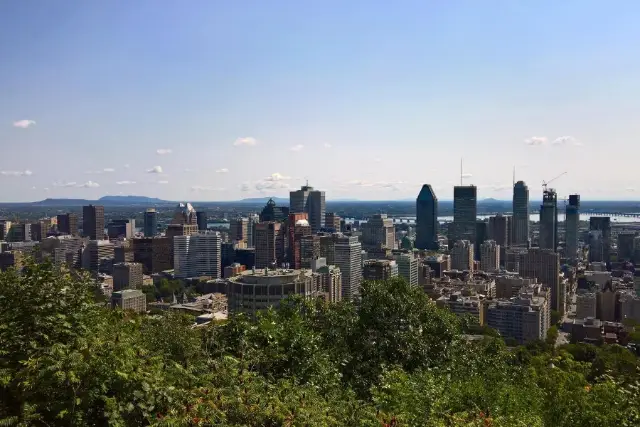 Photo: Andre Carrotflower, CC BY-SA 4.0
Montreal, Quebec
Montreal began fitting side guards to its own heavy trucks in 2017 and is adding a side guard requirement to snow-removal contracts, borough by borough.
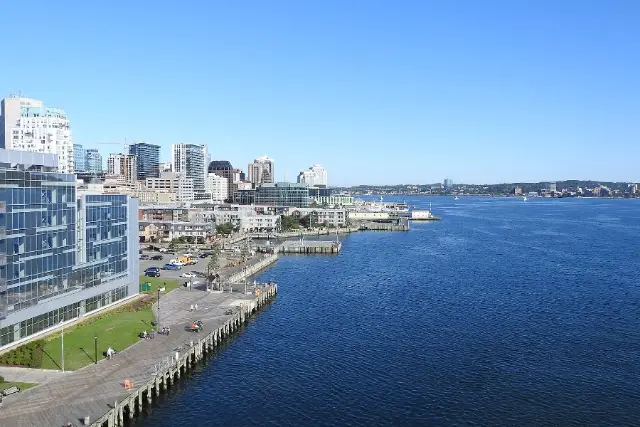 Photo: Dennis Sylvester Hurd, CC0
Halifax, Nova Scotia
In 2016, Regional Council required side guards on municipal trucks over 4,500 kg bought or leased after April 2017, and on contractor trucks for contracts awarded after that date. Contracted garbage trucks were fitted by 2019.
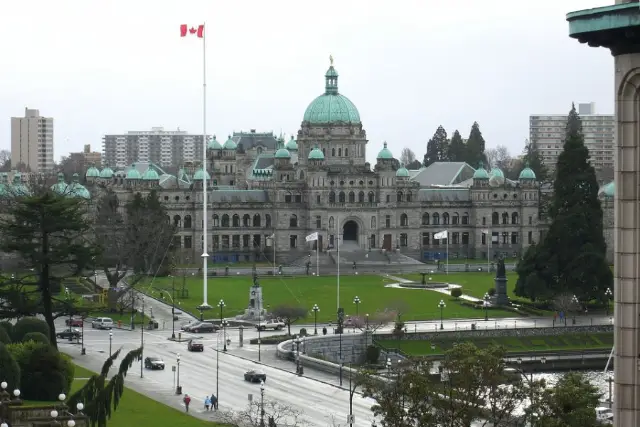 Photo: Ken Walker, CC BY 2.5
Victoria, British Columbia
Following Vancouver’s lead, Victoria council approved a 2022 motion requiring side guards on City-owned trucks and on its contractors’ trucks.
More Vision Zero cities
These communities are working to end traffic deaths. We haven’t found side guards in their plans yet. If we missed one, email info@walkerblocker.com and we’ll update the page.
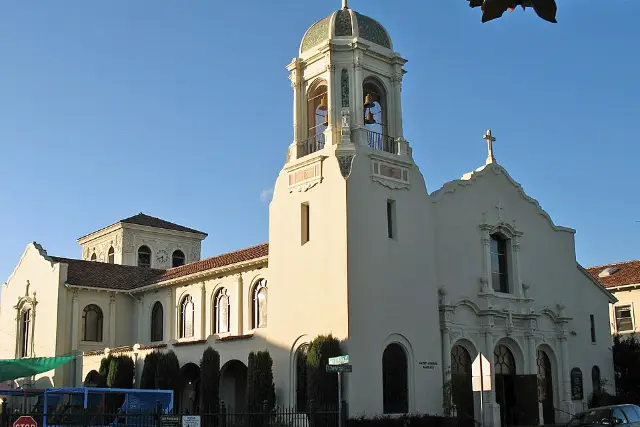 Photo: Sanfranman59, CC BY-SA 3.0
Alameda, CA
Adopted a Vision Zero policy in 2019 and an action plan in 2021, aiming to end traffic deaths and severe injuries by 2035.
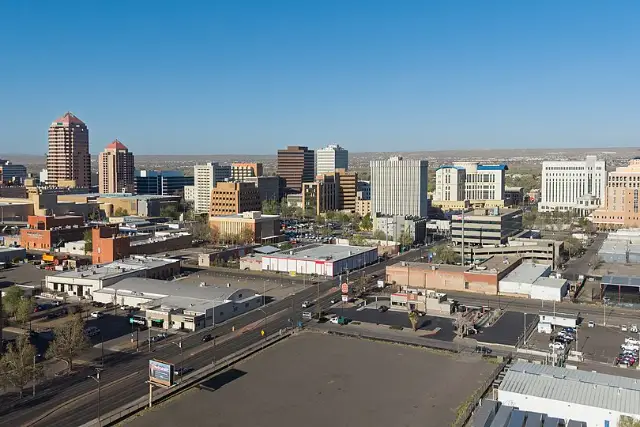 Photo: Quintin Soloviev, CC BY 4.0
Albuquerque, NM
Committed in 2019. Its 2021 action plan lists 63 actions, including speed safety cameras, toward a 2040 goal.
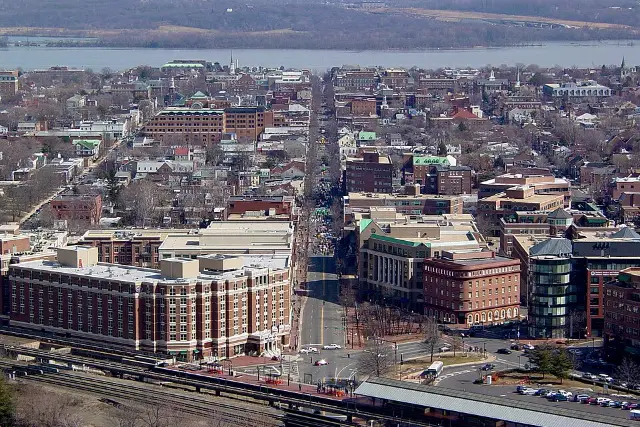 Photo: Ben Schumin, CC BY-SA 3.0
Alexandria, VA
Adopted Vision Zero and an action plan in 2017 with a 2028 goal, and recorded zero traffic deaths in 2023.
 Photo: Frank K. from Anchorage, Ala…, CC BY 2.0
Anchorage, AK
Launched Vision Zero in 2016 and adopted an action plan in 2018. A joint task force with the state now targets pedestrian deaths.
 Photo: Flavinista, CC BY-SA 4.0
Ann Arbor, MI
Its 2021 Moving Together Toward Vision Zero plan drives quick-build street projects and new traffic safety corridors.
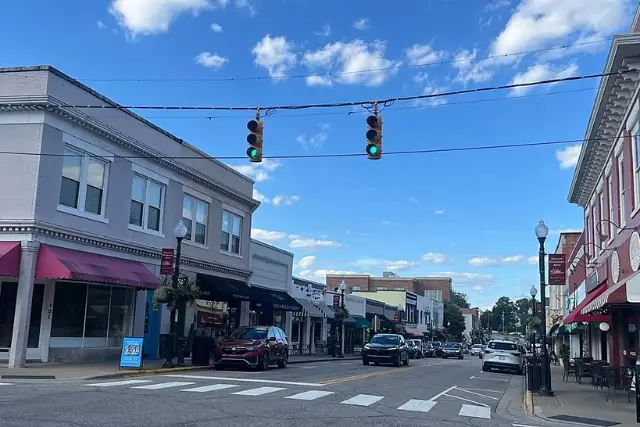 Photo: Pithon314, CC0
Apex, NC
Adopted Vision Zero in 2020 and an action plan in 2022 with a 2035 goal, and recorded zero traffic deaths in 2024.
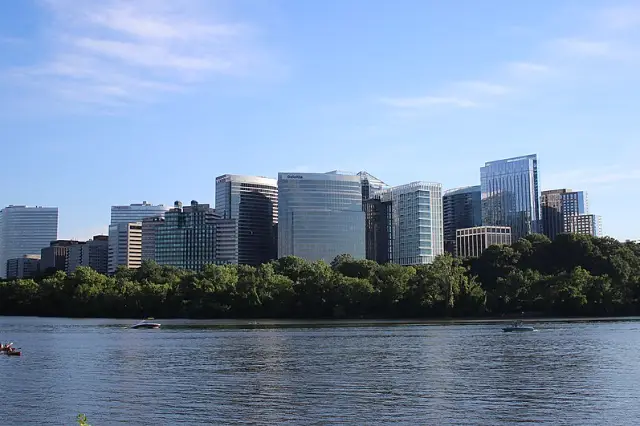 Photo: Theodore Christopher, CC0
Arlington County, VA
Committed in 2019 and adopted a five-year action plan in 2021, aiming for zero deaths and serious injuries by 2030.
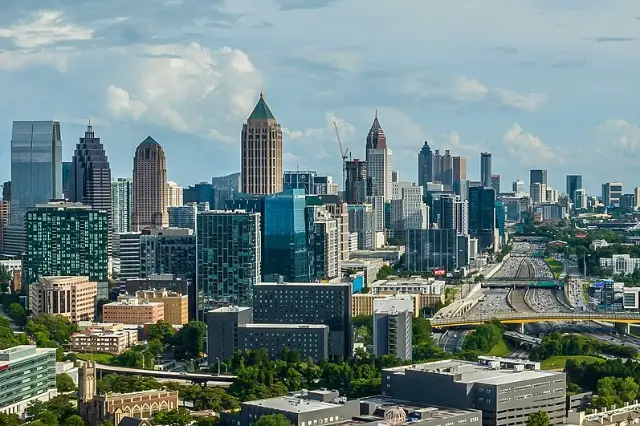 Photo: AtlChampion, CC BY-SA 4.0
Atlanta, GA
A 2020 ordinance set a 25 mph default speed limit on many streets. The 2023 action plan lists 92 actions toward a 2040 goal.
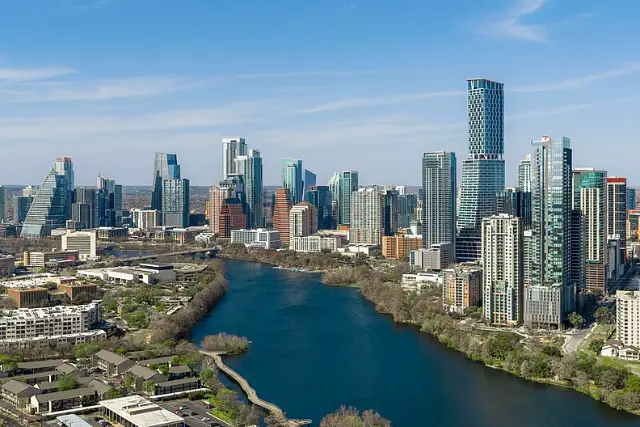 Photo: Quintin Soloviev, CC BY 4.0
Austin, TX
Adopted Vision Zero in 2015. Voters approved $15 million (2018) and $65 million (2020) in mobility bonds for safety work.
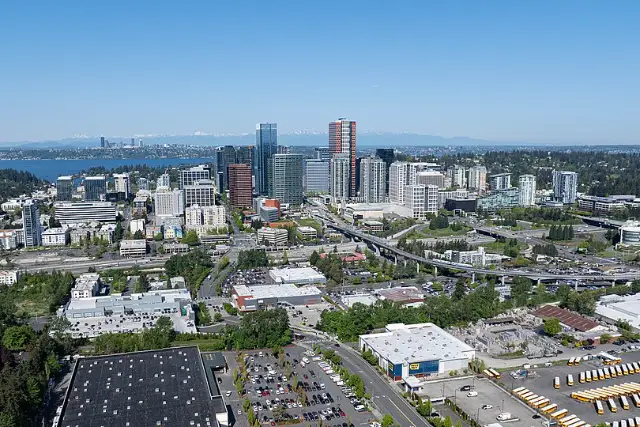 Photo: Spicypepper999, CC0
Bellevue, WA
Working toward Vision Zero since 2015, with a 2030 goal and a new action plan every year.
 Photo: pedrik, CC BY 2.0
Berkeley, CA
Adopted Vision Zero in 2018 and an action plan in 2020, aiming to end fatal and severe crashes by 2028.
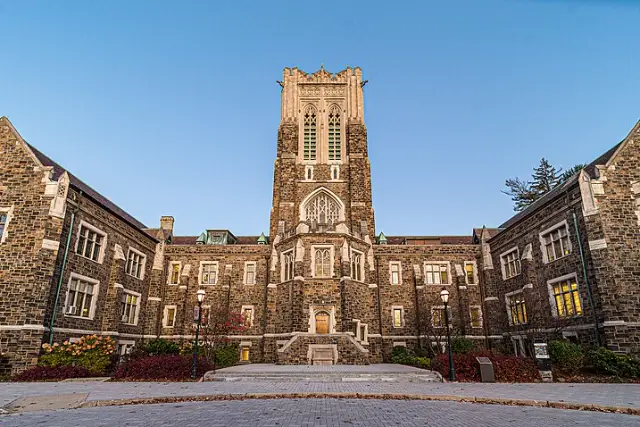 Photo: Kenneth C. Zirkel, CC BY-SA 4.0
Bethlehem, PA
Its 2016 Vision Zero plan, led by the city Health Bureau, aims to end traffic deaths and serious injuries by 2030.
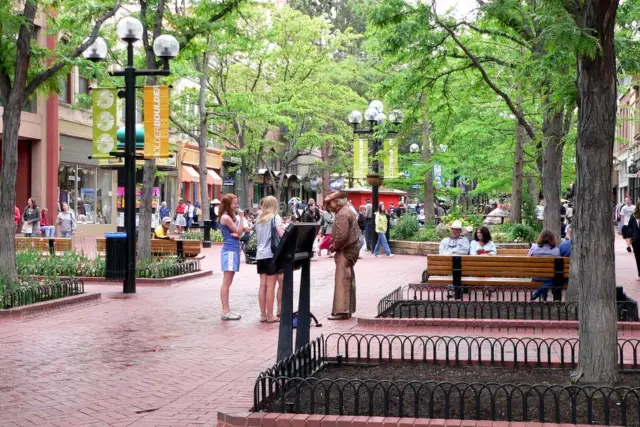 Photo: Lee Coursey, CC BY 2.0
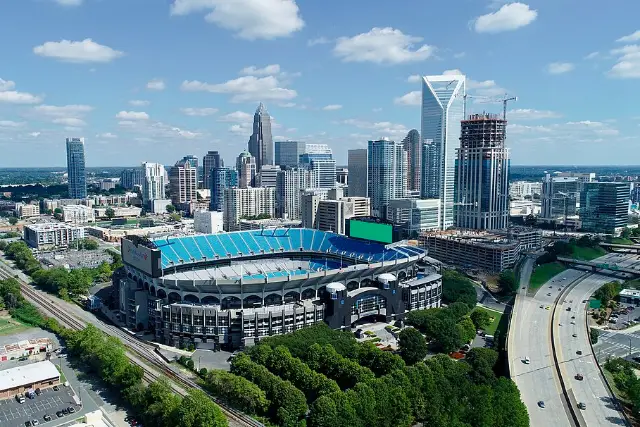 Photo: Precisionviews, CC BY-SA 4.0
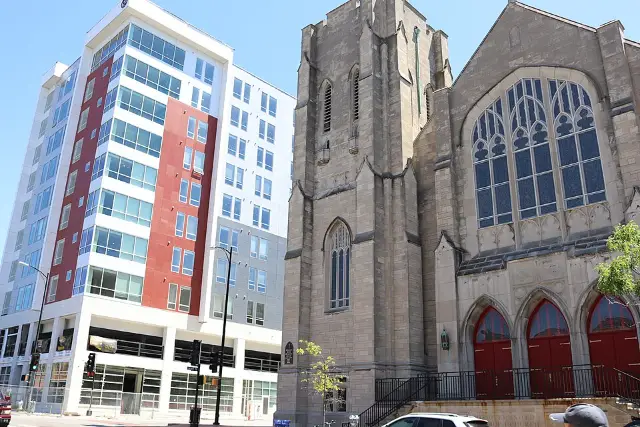 Photo: Jasongriffin79, CC BY-SA 4.0
 Photo: Paul Wasneski, Public domain
 Photo: Quintin Soloviev, CC BY 4.0
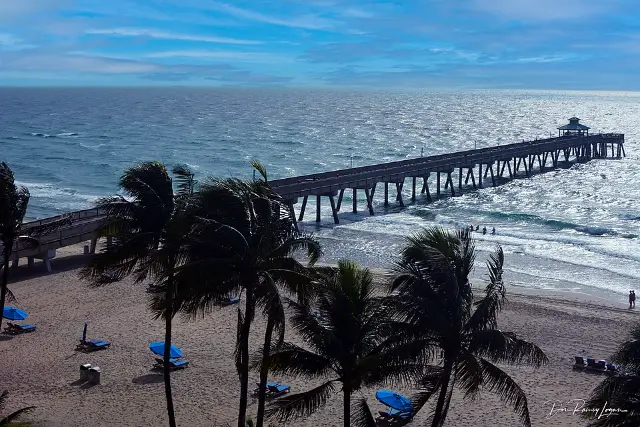 Photo: Don Ramey Logan, CC BY-SA 3.0
Deerfield Beach, FL
Recognized as a Vision Zero community by the Vision Zero Network.
 Photo: Thomson200, CC0
Denver Regional Council of Governments, CO
The Denver region’s council of governments adopted a regional Vision Zero plan in 2020.
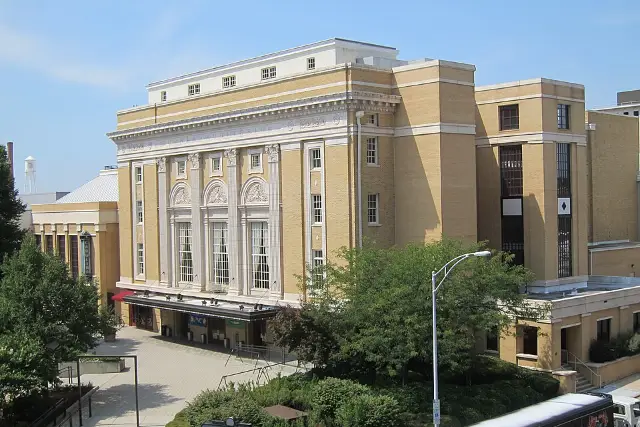 Photo: Maria Miracoli, CC BY-SA 4.0
 Photo: Jsayre64, CC BY-SA 3.0
 Photo: WmCheez, CC BY-SA 4.0
El Paso, TX
Committed to Vision Zero in 2022 and adopted an action plan. A quick-build safety program launched in 2026 with $750,000 a year.
 Photo: Oleg Alexandrov, CC BY-SA 3.0
Fremont, CA
Adopted a Vision Zero action plan in 2016 and updated it in 2021.
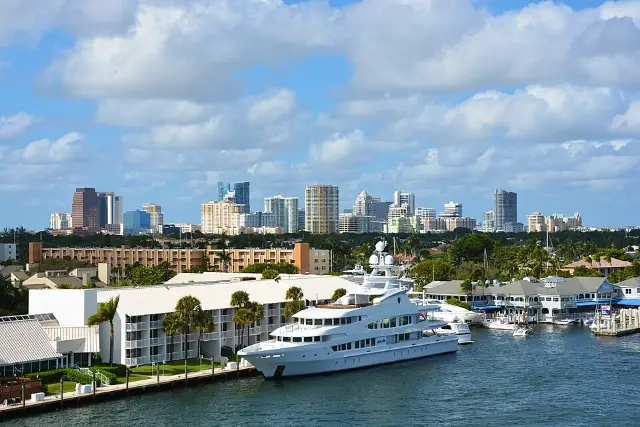 Photo: KeanoManu, CC BY-SA 4.0
Fort Lauderdale, FL
Adopted a Vision Zero street safety action plan in 2015.
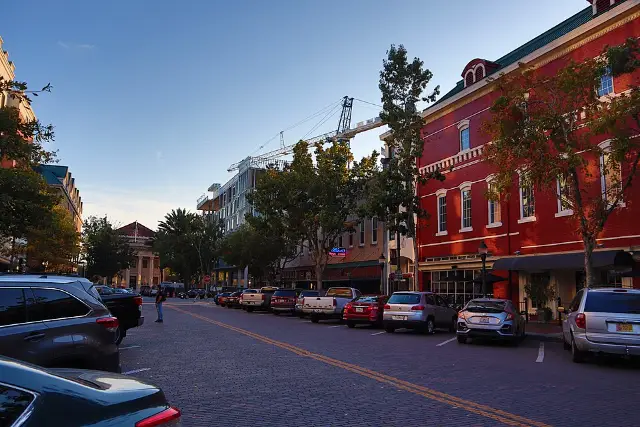 Photo: Rbrko, CC BY-SA 4.0
Gainesville, FL
Committed in 2018 with a 2040 goal, and accepted an $8 million federal Safe Streets award for the work.
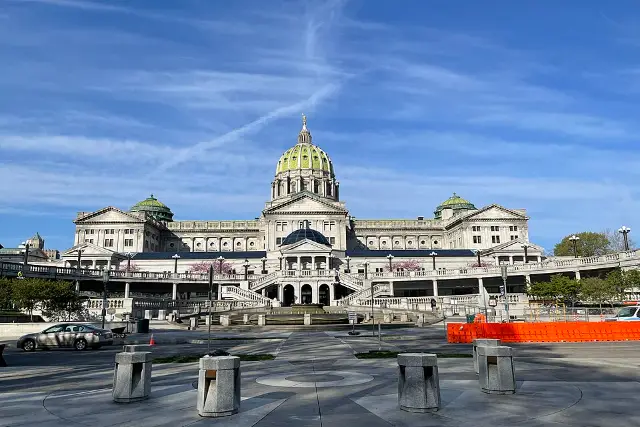 Photo: Dough4872, CC BY-SA 4.0
Harrisburg, PA
Adopted a Vision Zero action plan in 2019.
 Photo: Mwanner, CC BY-SA 3.0
Hillsborough County, FL
The county’s transportation planning organization adopted a Vision Zero action plan in 2017.
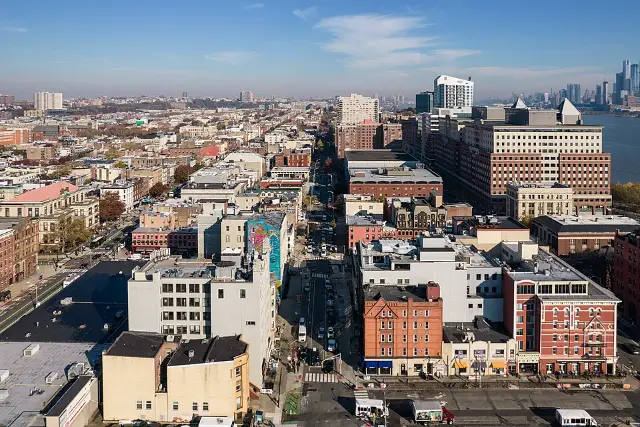 Photo: King of Hearts, CC BY-SA 4.0
Hoboken, NJ
Launched Vision Zero in 2019 and adopted an action plan in 2021, and has gone years without a traffic death.
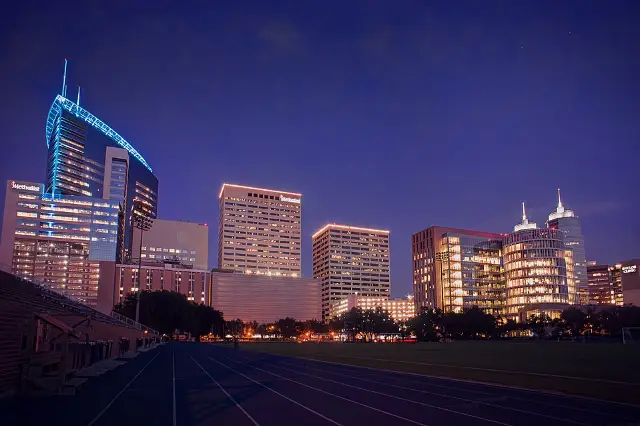 Photo: Katie Haugland Brown, CC BY 2.0
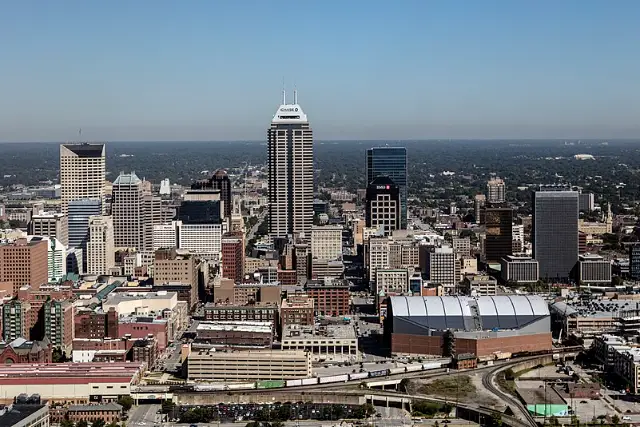 Photo: Carol M. Highsmith, Public domain
Indianapolis, IN
A 2024 ordinance created a Vision Zero task force. Its action plan, adopted in December 2025, targets 2035.
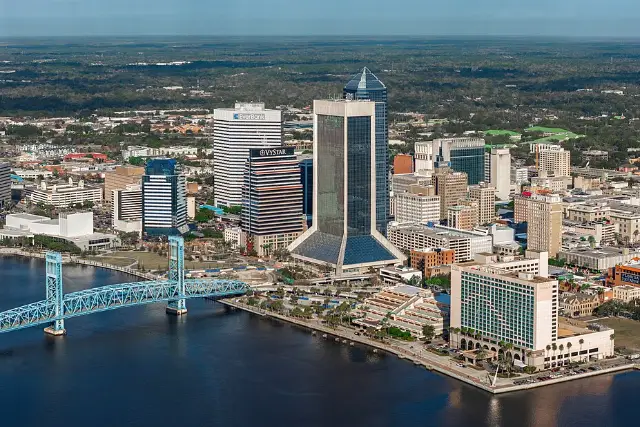 Photo: Quintin Soloviev, CC BY 4.0
Jacksonville, FL
Released its first action plan in 2025, aiming to end traffic deaths and cut serious injuries in half by 2035.
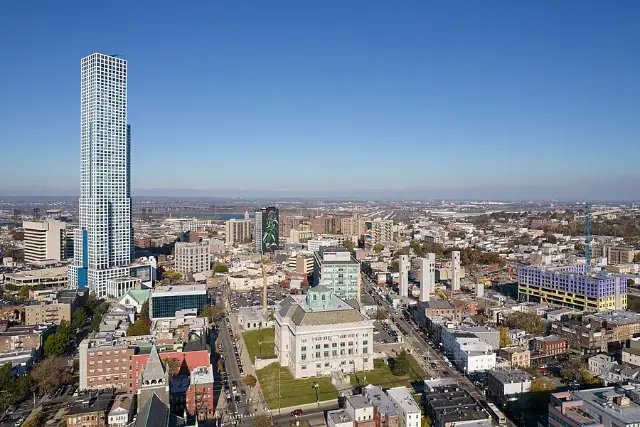 Photo: King of Hearts, CC BY-SA 4.0
Jersey City, NJ
The first New Jersey city to commit to Vision Zero, with an action plan adopted in 2019.
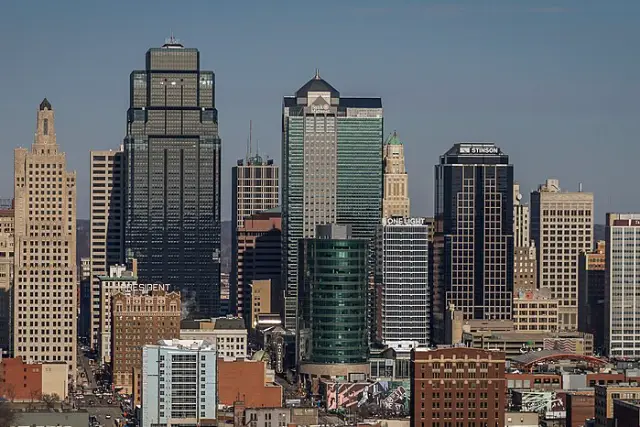 Photo: Stephen Edmonds, CC BY-SA 3.0
Kansas City, MO
Committed in 2020 and adopted an action plan in 2022. The city reports more than 200 safety projects designed or completed.
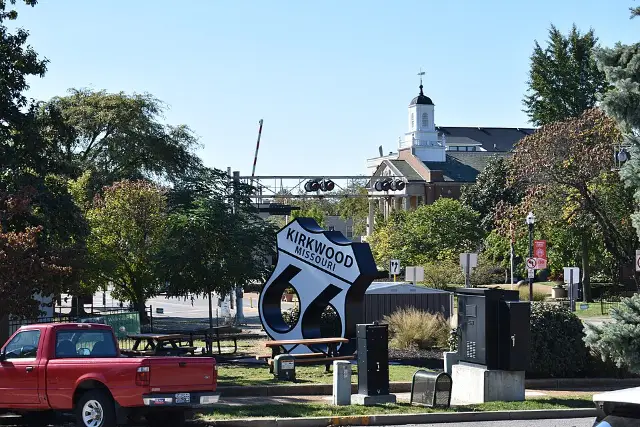 Photo: TCP04, CC BY 4.0
Kirkwood, MO
Recognized as a Vision Zero community by the Vision Zero Network.
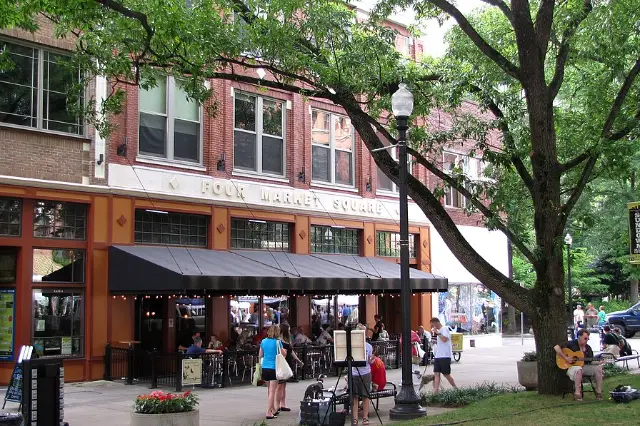 Photo: Brian Stansberry, CC BY 3.0
Knoxville, TN
Endorsed Vision Zero in 2021 and adopted an action plan in 2023 with a 2040 goal, including school-zone speed cameras.
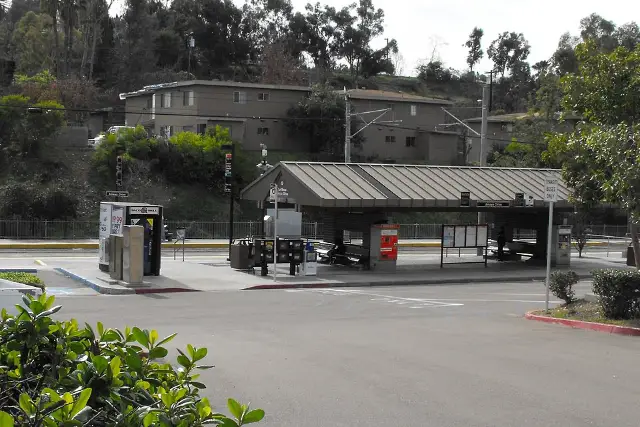 Photo: Stickpen, Public domain
La Mesa, CA
Recognized as a Vision Zero community by the Vision Zero Network.
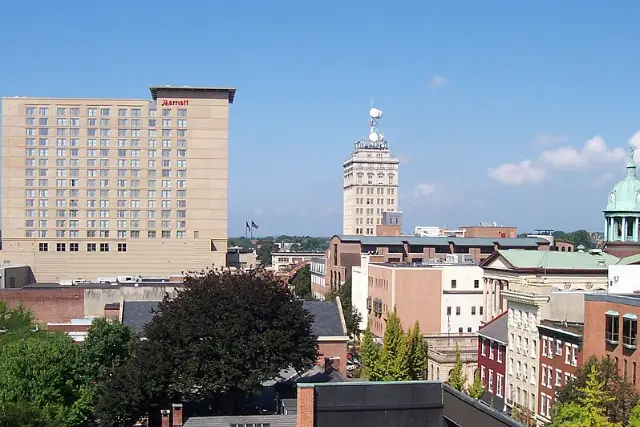 Photo: Randolph Carney, CC BY-SA 3.0
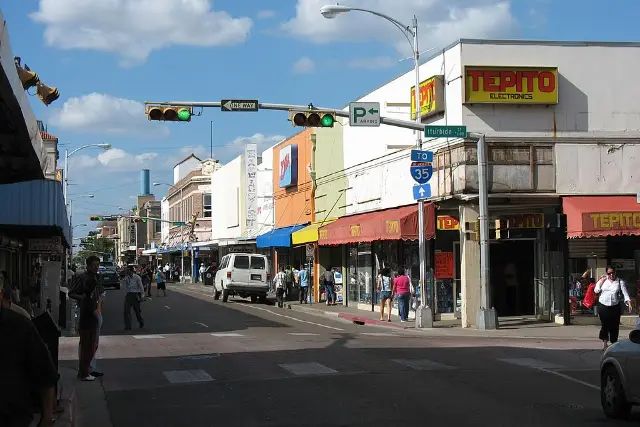 Photo: Not home at en.wikipedia, CC BY-SA 3.0
Laredo, TX
Recognized as a Vision Zero community by the Vision Zero Network.
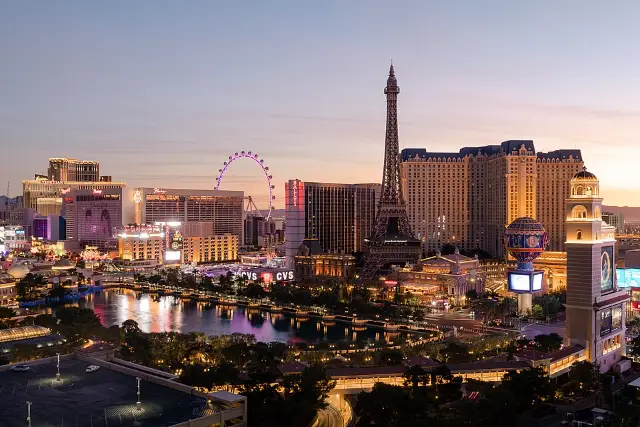 Photo: Eric Kilby, CC BY-SA 2.0
Las Vegas, NV
Committed in 2022 and updated its action plan in 2026, with more than $45 million secured for safety projects.
 Photo: IIP Photo Archive, CC BY 2.0
Los Angeles, CA
Adopted a Vision Zero action plan in 2017.
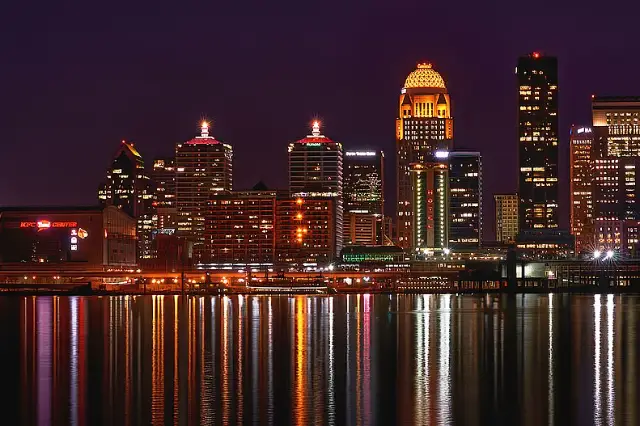 Photo: Charles Delano of Louisville…, CC BY 2.0
Louisville, KY
A 2022 ordinance set a goal of zero roadway deaths by 2050, and a $21 million federal grant is improving 10 corridors.
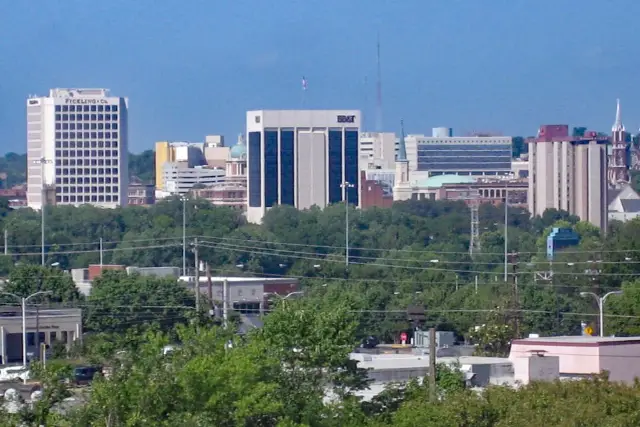 Photo: Soglad2005 at English Wikipe…, Public domain
Macon, GA
Macon-Bibb County adopted a Vision Zero plan in 2020.
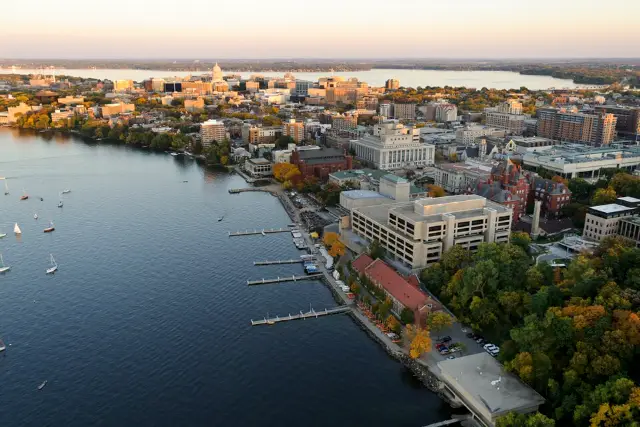 Photo: college.library, CC BY 2.0
Madison, WI
Adopted Vision Zero in 2020 with a 2035 goal. City fleet drivers take Vision Zero driver safety training.
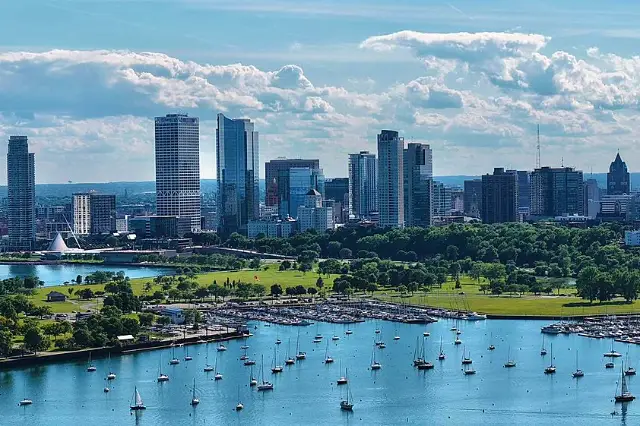 Photo: Unknown, CC BY 4.0
Milwaukee, WI
Adopted Vision Zero in 2022. Its action plan aims to end traffic deaths by 2037.
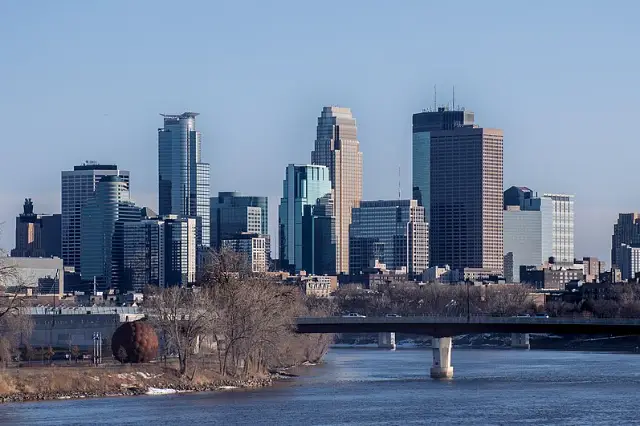 Photo: BpA9543, CC BY-SA 4.0
Minneapolis, MN
Has run multi-year Vision Zero action plans since 2020, including 78 actions for 2023 to 2025.
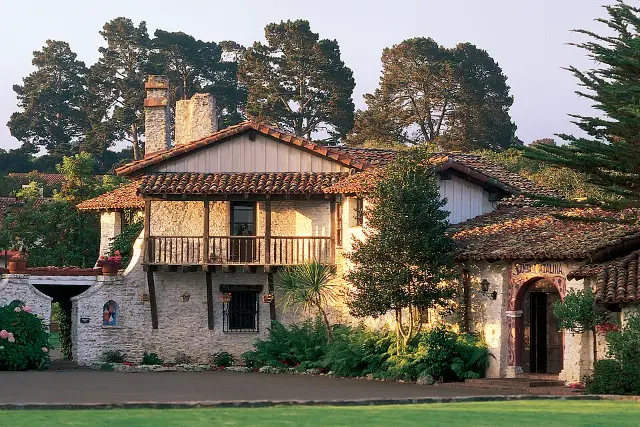 Photo: Catalinaschool, CC BY 4.0
 Photo: Bohemian Baltimore, CC BY-SA 4.0
Montgomery County, MD
Adopted a Vision Zero action plan in 2017.
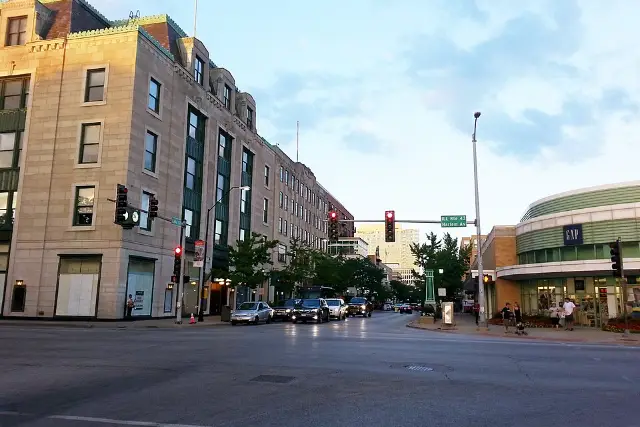 Photo: Dennisyerger84, CC BY-SA 4.0
Oak Park, IL
Recognized as a Vision Zero community by the Vision Zero Network.
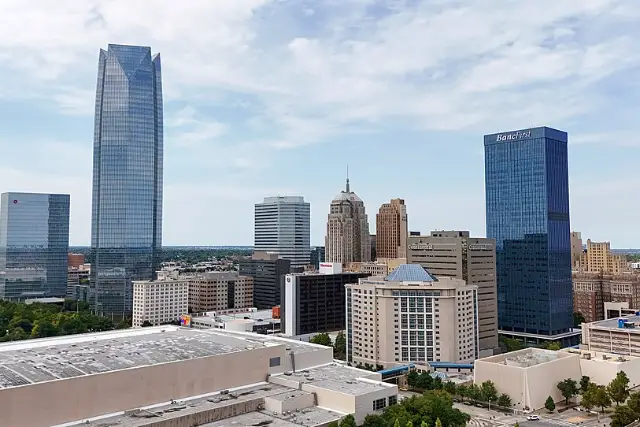 Photo: Quintin Soloviev, CC BY 4.0
Oklahoma City, OK
City Council adopted the city’s first Vision Zero action plan in February 2025.
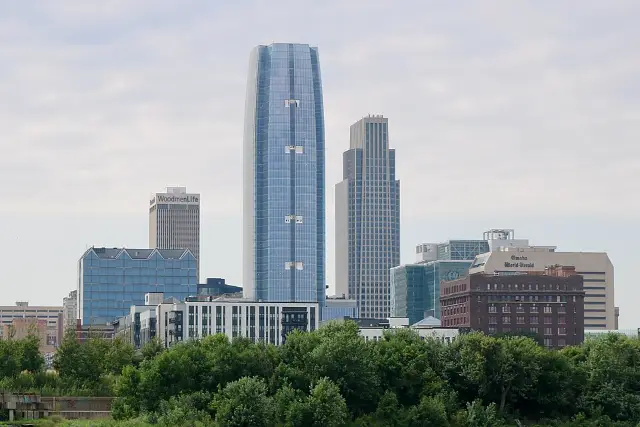 Photo: Hurstbergn, CC0
Omaha, NE
Adopted an action plan in 2023 with 117 priority projects and a 2045 goal.
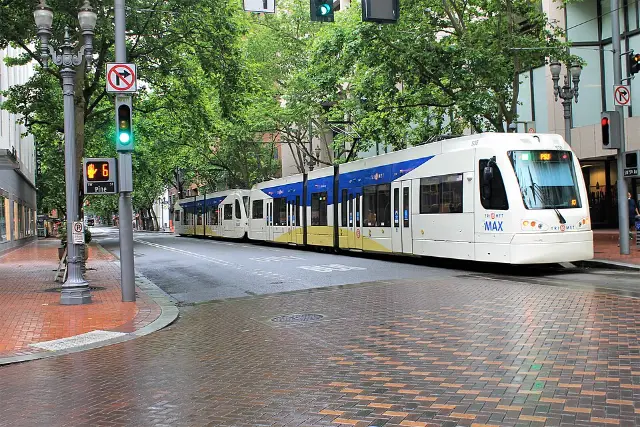 Photo: Rickmouser45, CC BY-SA 4.0
Oregon Metro, OR
The Portland region’s government adopted a regional transportation safety plan in 2018.
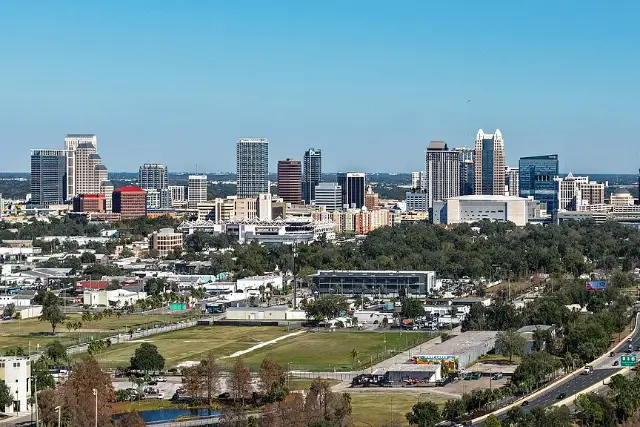 Photo: Quintin Soloviev, CC BY 4.0
Orlando, FL
Adopted its first action plan in 2021, aiming to end traffic deaths and serious injuries by 2040.
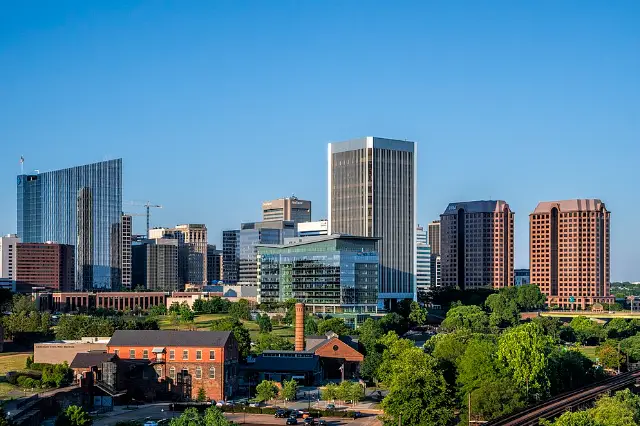 Photo: Bruce Emmerling, CC BY-SA 4.0
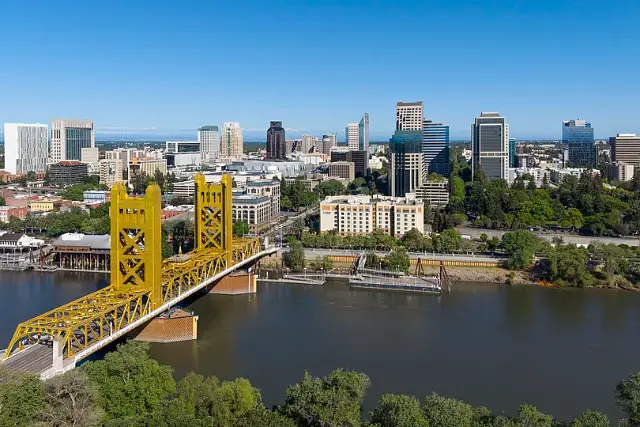 Photo: Quintin Soloviev, CC BY 4.0
Sacramento, CA
Adopted a Vision Zero action plan in 2018.
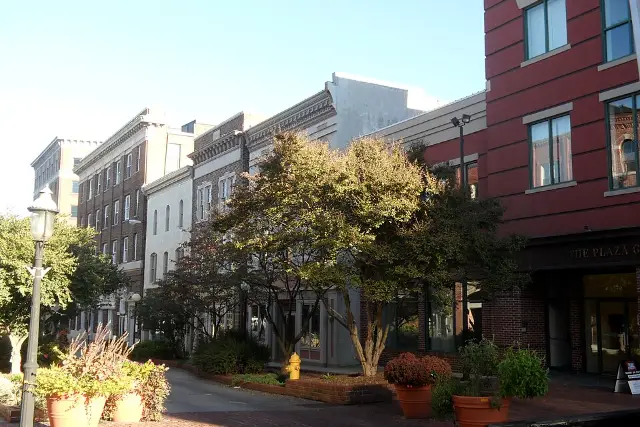 Photo: Eric Fischer, CC BY 2.0
Salisbury, MD
Recognized as a Vision Zero community by the Vision Zero Network.
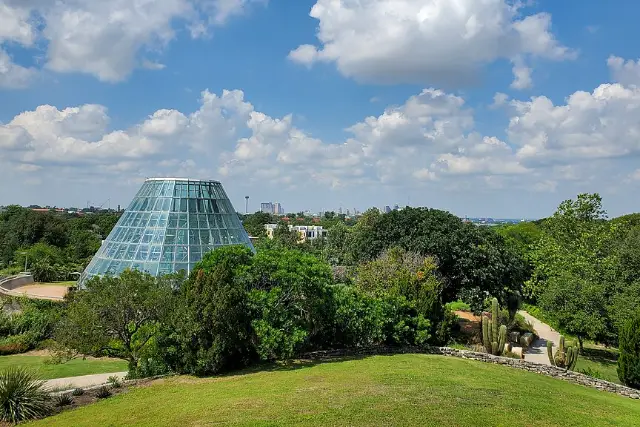 Photo: Jouaienttoi, CC BY-SA 4.0
San Antonio, TX
Adopted a Vision Zero action plan in 2016.
 Photo: Dirk Hansen, CC BY-SA 3.0
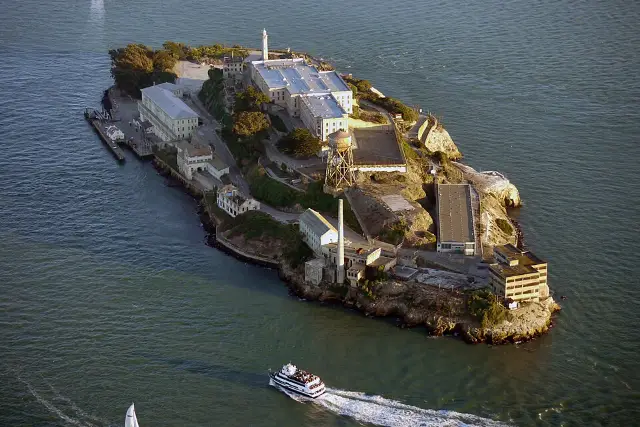 Photo: Craig Howell from San Carlos…, CC BY 2.0
San Francisco, CA
An early adopter in 2014. The city now follows a Safe System Approach that includes expanding safety features on the City fleet.
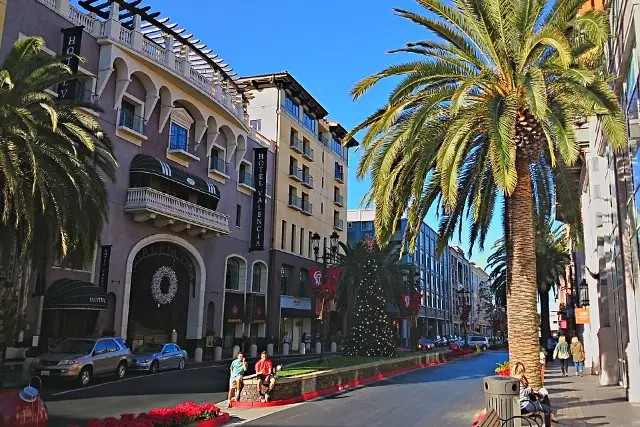 Photo: Payton Chung, CC BY 2.0
San Jose, CA
Adopted a new Vision Zero action plan in 2025.
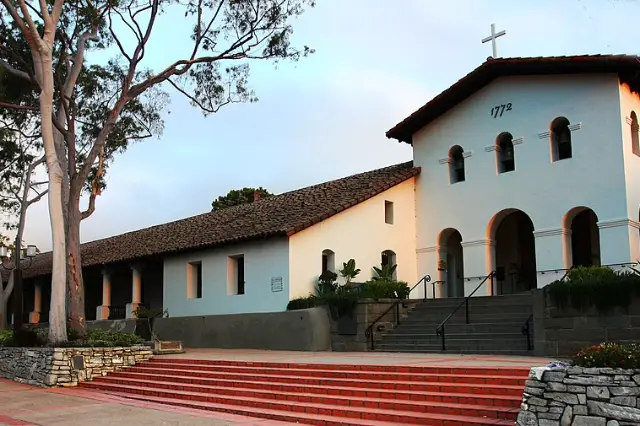 Photo: Rennett Stowe, CC BY 2.0
San Luis Obispo, CA
Recognized as a Vision Zero community by the Vision Zero Network.
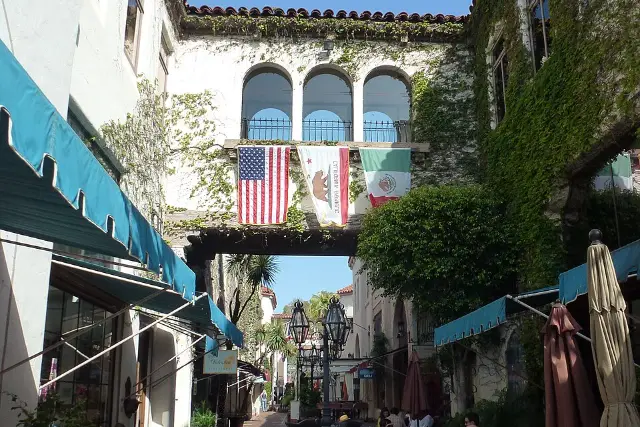 Photo: Pierre André, CC BY-SA 4.0
 Photo: Wulfnoth of English Wikipedia, CC BY 3.0
Santa Rosa, CA
Recognized as a Vision Zero community by the Vision Zero Network.
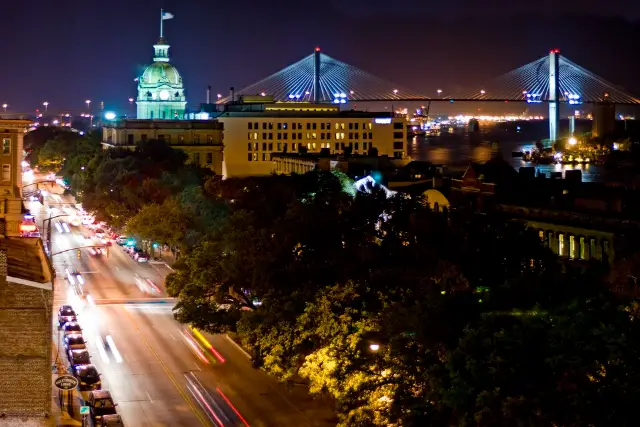 Photo: Bigdaverhuberg, CC BY-SA 4.0
Savannah, GA
Recognized as a Vision Zero community by the Vision Zero Network.
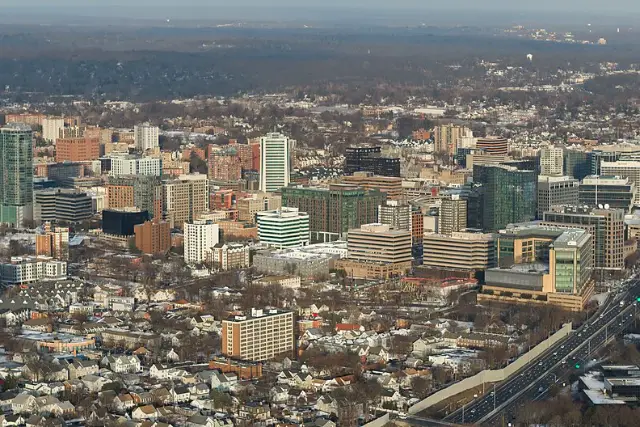 Photo: Quintin Soloviev, CC BY 4.0
Stamford, CT
Recognized as a Vision Zero community by the Vision Zero Network.
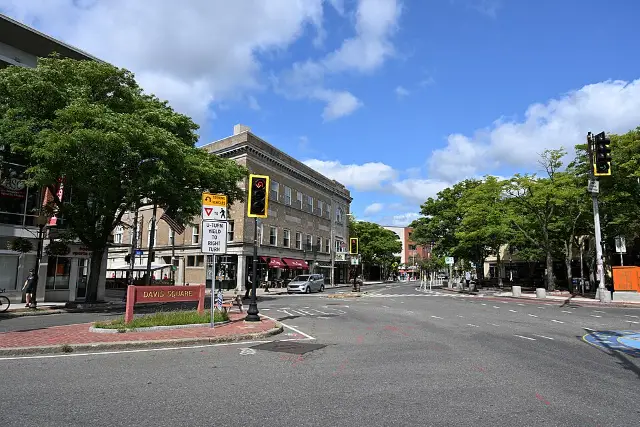 Photo: 4300streetcar, CC BY 4.0
Somerville, MA
Adopted Vision Zero in 2017 and a Safe Streets Ordinance in 2024, and went more than three years without a traffic death.
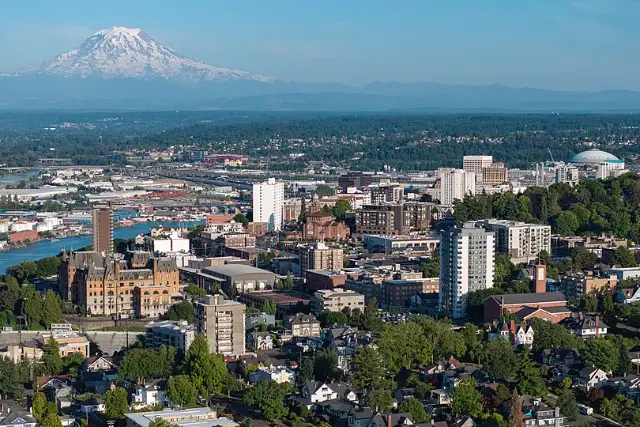 Photo: Spicypepper999, CC0
Tacoma, WA
Committed in 2020 and adopted an action plan in 2022 with a 2035 goal, and has lowered speed limits.
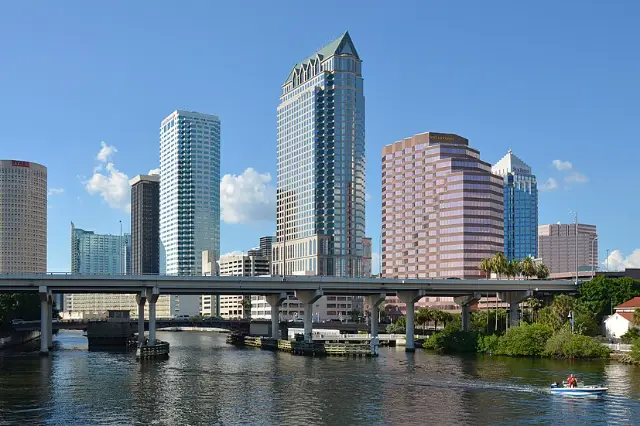 Photo: Clément Bardot, CC BY-SA 4.0
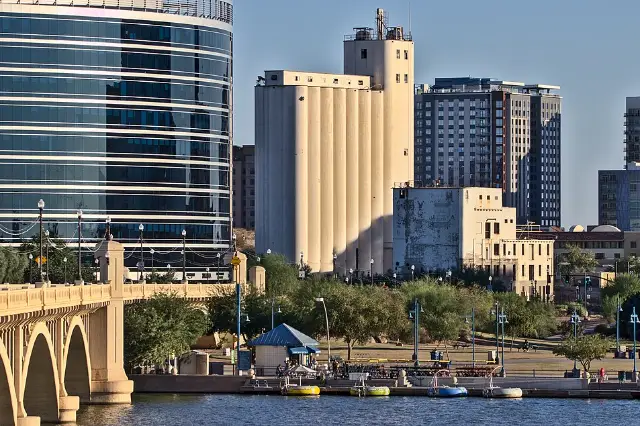 Photo: Hunter Trick (TrickHunter), CC BY-SA 4.0
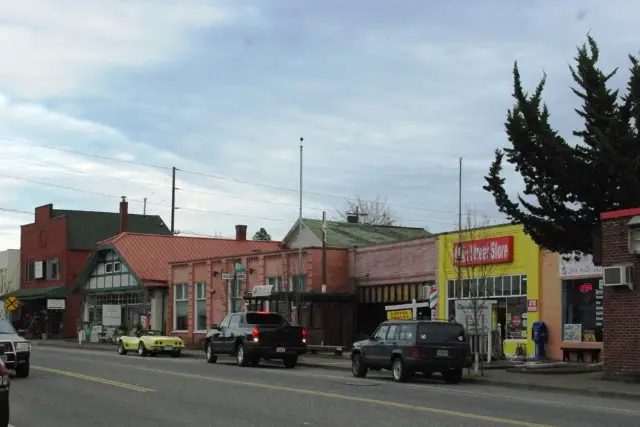 Photo: M.O. Stevens, Public domain
Tigard, OR
Recognized as a Vision Zero community by the Vision Zero Network.
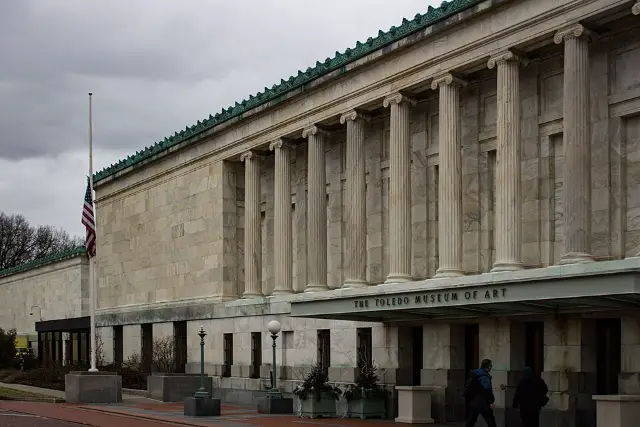 Photo: Jason Zhang, CC BY-SA 3.0
Toledo, OH
Recognized as a Vision Zero community by the Vision Zero Network.
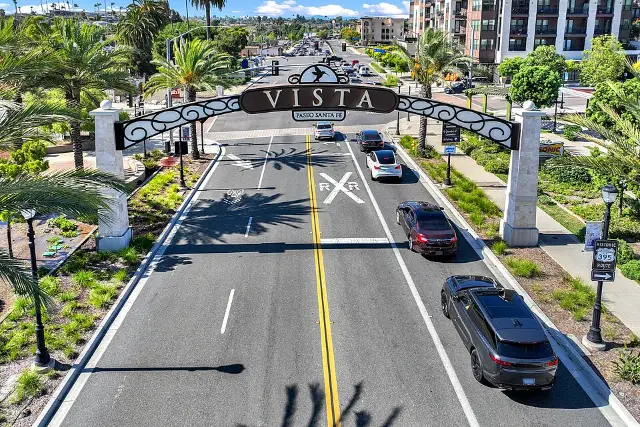 Photo: Unknown, Public domain
Vista, CA
Recognized as a Vision Zero community by the Vision Zero Network.
 Photo: Mrwrite, Public domain
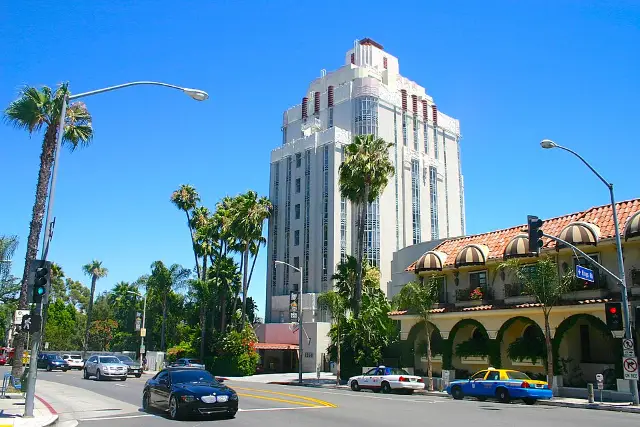 Photo: MikeJiroch, CC BY-SA 3.0
West Hollywood, CA
Recognized as a Vision Zero community by the Vision Zero Network.
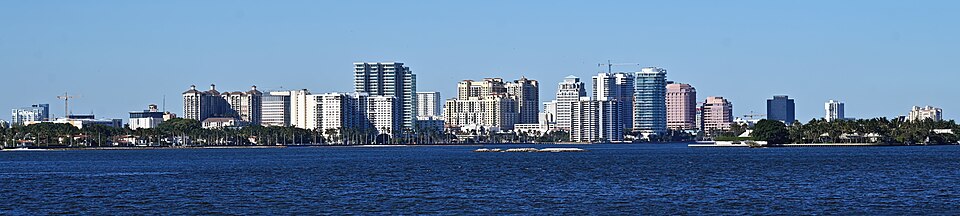 Photo: Jud McCranie, CC BY-SA 4.0
West Palm Beach, FL
Adopted Vision Zero in 2018, the fourth Florida city to do so, and has used it to guide speed management projects.
Bring side guards to your city
Want side guards in your city’s Vision Zero plan? Here is a short letter you can send to your city’s Vision Zero team or council member.
- Find who to send it to:
- Your city’s Vision Zero team. Look for the contact on your city’s Vision Zero page (linked on each card above), or search for your city’s name and “Vision Zero.”
- Your mayor or city council member. Enter your address at USA.gov’s elected officials lookup, or check your city’s website. Sending it to both helps.
- Copy the letter below, or open it in your email app.
- Add your city, your name and a sentence about why it matters to you.
Hello,
I live in (your city) and support our Vision Zero goal of ending traffic deaths and serious injuries. I am writing to ask the City to add truck side guards to its Vision Zero plan.
Side guards close the open space between a large truck’s front and rear wheels, so a person walking or biking is not swept under the rear wheels in a side-impact crash. After the United Kingdom required side guards on most new trucks in 1986, cyclist deaths in these crashes fell 61 percent and pedestrian deaths fell 20 percent.
Several Vision Zero cities already use them, including New York City, Boston, Chicago, Washington, DC and Portland, Oregon. New York City’s fleet office puts the cost at about $1,500 to $2,500 per truck.
A practical first step would be to require side guards on new City-owned heavy trucks and add them when trucks are replaced, then consider them for City contractors.
Thank you for your work to make our streets safer.
(Your name)
(Neighborhood or ZIP code)
Sources: UK results from studies cited by the U.S. DOT Volpe Center; cost range from NYC Fleet (2024).
Status is based on public city sources as of November 2026. Programs change, so check each city’s page for the latest. City photos come from Wikimedia Commons; photographer and license are shown on each photo.
We don't have that city on our list yet. Bring side guards to your city →